BRI — Microservices Migration (300+)
Led a zero-downtime migration of 300+ Enterprise Data Management microservices to production and development with Helm and Kubernetes.
About This Project
The Problem
How We Solved It
How It Works
- 1
Standard pipeline per service
Each microservice's Jenkinsfile calls a shared Jenkins library with a small config block: repository and branch, target environment, Kubernetes namespace and cluster, Dockerfile template and Helm values file. This replaces per-service pipeline scripts with one standard flow across 300+ services.
- 2
Input validation and checkout
The pipeline first checks the deployment target (plain Kubernetes or OpenShift) and its required settings, then checks out the service source from Bitbucket.
- 3
Optional quality gates
Flags in the config turn on unit tests with coverage, SonarQube scanning and SAST scanning, so teams can enable checks per service and per environment.
- 4
Build from shared templates
If a service has no Dockerfile of its own, the pipeline copies a standard template from the library (for example Go images with or without Kerberos). It also generates or updates the Helm manifest with a Helm generator image, then builds the Docker image and pushes it to the registry with a tag for that build.
- 5
Environment-specific Helm values
The pipeline writes the image repository, tag and namespace into the selected values file. Each service keeps separate values files per environment (development, staging, production), so the same chart is promoted between environments.
- 6
Helm deploy to Kubernetes
The service is released with helm upgrade --install into the target namespace, authenticating with stored kubeconfig or OpenShift credentials.
Key Capabilities
Zero-Downtime Migration
Helm & Kubernetes
Failure Diagnosis
CI/CD Standardization
Architecture Guidance
Under the Hood
Impact & Outcomes
Migrated 300+ microservices to production and development with zero downtime
Standardized CI/CD across environments, reducing deployment inconsistencies
Resolved migration-time failures and service incompatibilities
What I Learned
Other Projects
BRI — Rekening Koran (Account Statement)
Backend for Bank BRI's Account Statement platform — CASA, Top 5, and Loan modules across many services, plus a reusable shared library.
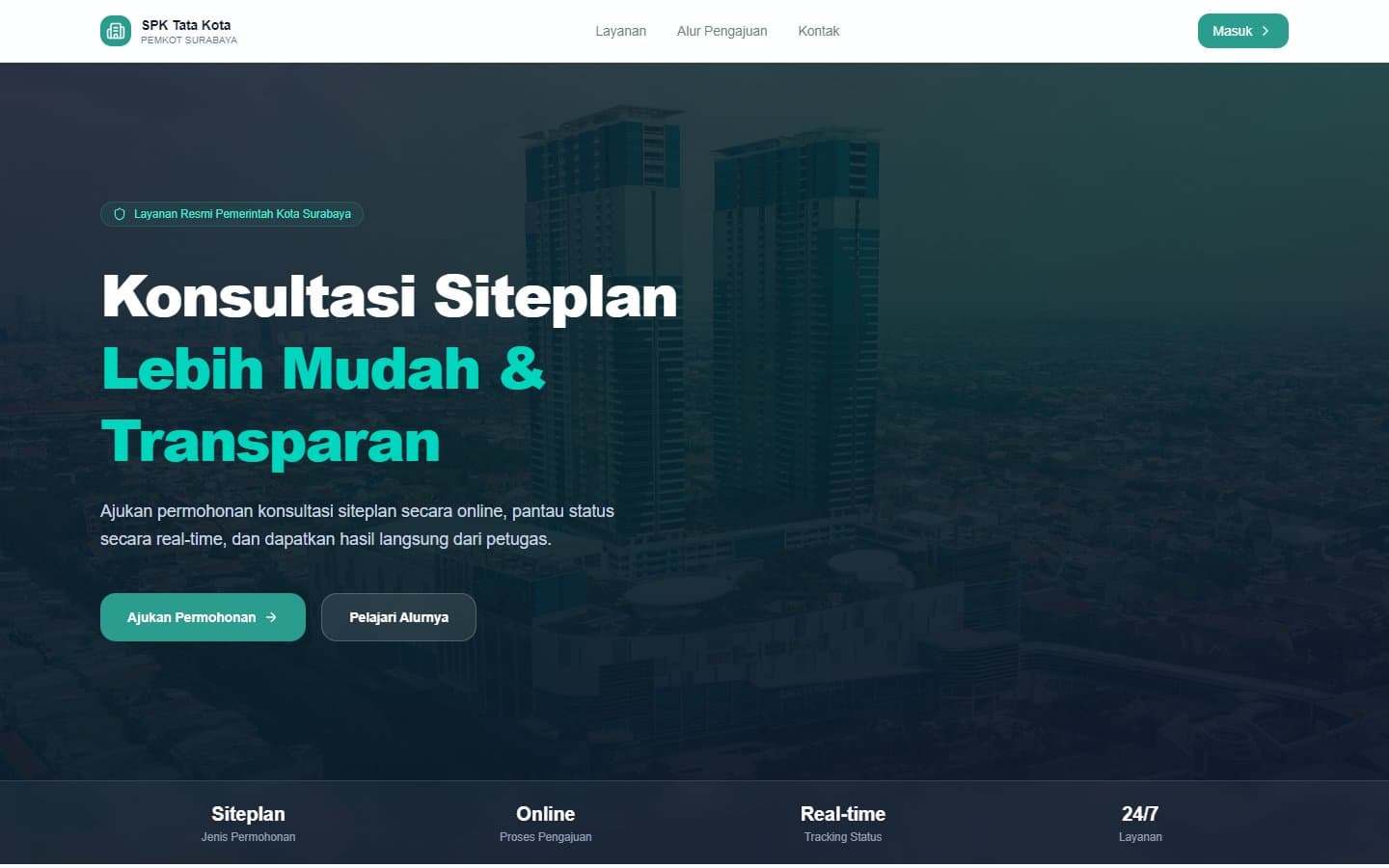
Pemkot Surabaya — SPK Permohonan Siteplan Tata Kota
A site plan consultation and permit-processing system for the City of Surabaya, with role-based task assignment, field assistance scheduling and a citizen helpdesk.